Overview of Valiant Vishwa Divine Conquest
Valiant Vishwa Divine Conquest stands as one of India's most ambitious video game projects, blending rich mythological storytelling with cutting-edge gameplay mechanics. Developed by a team of passionate Indian game designers and inspired by the grand epics of Hindu mythology – including the Ramayana, Mahabharata, and Puranas – this action role-playing game (RPG) takes players on a celestial journey across the three realms of Devaloka (heaven), Prithvi (earth), and Patala (netherworld).
Launched in January 2024 exclusively on Daman Games, the title has quickly gained a massive following across India and beyond, with over 15 million downloads in its first three months. Critics have praised its stunning visuals, immersive world-building, and innovative gameplay that seamlessly integrates mythological elements with strategic combat and character progression.
The game is set in a time of cosmic imbalance, where the evil Asura king, Mahishasura, has broken the sacred Trishakti Amulet – a relic that maintains harmony between the three realms. As a player, you take on the role of a "Divine Valiant" – a chosen warrior blessed by the Trimurti (Brahma, Vishnu, Shiva) – tasked with retrieving the fragmented amulet pieces, defeating powerful demons, and restoring balance to the cosmos.
With its vast open world, dynamic day-night cycle, weather effects, and a cast of over 50 playable and non-playable characters (NPCs) inspired by Indian mythology, Valiant Vishwa Divine Conquest offers an unparalleled gaming experience that celebrates India's cultural legacy while competing with international titles in terms of quality and depth.
Gameplay Mechanics of Valiant Vishwa Divine Conquest
Valiant Vishwa Divine Conquest combines elements of action RPG, open-world exploration, and strategic combat to create a gameplay experience that is both accessible and deep. The game's core mechanics are designed to immerse players in the divine world while providing meaningful choices that impact the story and character development.
Character Customization & Progression
At the start of the game, players can customize their Divine Valiant by choosing from four distinct classes, each based on a mythological archetype:
Warrior of Ayodhya
Melee-focused class inspired by Lord Rama, specializing in swordsmanship and defensive abilities.
Archer of Mithila
Ranged class inspired by Arjuna, specializing in bow and arrow combat and precision strikes.
Sage of Kashi
Magic-focused class inspired by Vishwamitra, specializing in elemental spells and healing abilities.
Guardian of Pataliputra
Tank class inspired by Bhima, specializing in brute strength and crowd control.
Each class has its own unique skill tree, with over 100 abilities to unlock as players level up. The progression system allows for hybrid builds, enabling players to mix and match skills from different branches to create a personalized playstyle. For example, a Warrior of Ayodhya can invest in both offensive and defensive skills, while a Sage of Kashi can specialize in fire magic or focus on supporting allies with healing and buffs.
Characters also gain access to "Divine Blessings" – powerful abilities granted by the gods as players progress through the story. These blessings range from temporary stat boosts to devastating ultimate attacks, such as Shiva's "Tandava Dance" or Vishnu's "Vishvarupa Form," which can turn the tide of even the most challenging battles.
Combat System
The combat in Valiant Vishwa Divine Conquest is fast-paced and strategic, emphasizing timing, positioning, and skill combination. Players can perform light and heavy attacks, dodge, block, and unleash special abilities to defeat enemies ranging from lowly demons to powerful Asuras and Rakshasas.
One of the game's unique features is the "Mantra System," which allows players to chant ancient Sanskrit mantras during combat to gain various effects. Each mantra corresponds to a specific god or goddess and can be unlocked by completing side quests or finding hidden relics. For example, chanting the "Gayatri Mantra" grants a temporary boost to magic power, while the "Hanuman Chalisa" provides increased movement speed and resistance to status effects.
Combat also incorporates environmental interactions, allowing players to use their surroundings to their advantage. For instance, players can topple pillars onto enemies, lure demons into traps, or use bodies of water to amplify water-based spells. The game's AI is designed to adapt to the player's playstyle, with enemies learning to dodge frequent attacks or counter specific abilities, ensuring that combat remains challenging and engaging throughout the game.
Open-World Exploration
Valiant Vishwa Divine Conquest features a vast open world spanning over 200 square kilometers, divided into three main realms – Devaloka, Prithvi, and Patala – each with its own unique biomes, landmarks, and challenges.
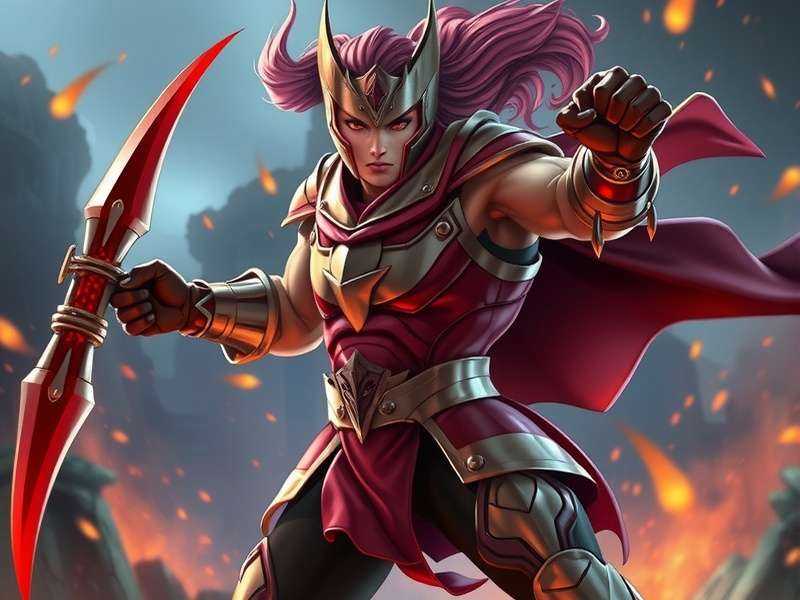


Devaloka, the heavenly realm, is a bright and ethereal world filled with floating palaces, sacred rivers, and divine gardens. Here, players can interact with gods and goddesses, receive quests, and purchase rare items from celestial merchants. Prithvi, the mortal realm, features diverse landscapes including dense forests, arid deserts, snow-capped mountains, and ancient cities inspired by historical Indian civilizations such as the Indus Valley and Mauryan Empire. Patala, the netherworld, is a dark and foreboding realm with lava flows, shadowy caves, and fortresses ruled by powerful Asuras.
The open world is filled with side quests, hidden treasures, and random events that encourage exploration. Players can ride mythical mounts such as elephants, horses, and even Garuda (the eagle-like mount of Vishnu) to traverse the world quickly. The game also features a dynamic day-night cycle and weather system that affects gameplay – for example, certain quests can only be completed at night, while rain can weaken fire-based enemies and strengthen water-based abilities.
Quests & Storyline
The main storyline of Valiant Vishwa Divine Conquest consists of over 80 missions, divided into 10 chapters, each focusing on a different region of the cosmos and a specific fragment of the Trishakti Amulet. The story is told through cinematic cutscenes, dialogue with NPCs, and in-game lore documents such as ancient scrolls and temple inscriptions.
In addition to the main quest, the game offers over 200 side quests that delve deeper into the mythology and history of the game's world. These side quests range from helping villagers defeat local demons to retrieving sacred artifacts for gods and goddesses, and often reward players with rare items, experience points, and unique abilities.
The game also features multiple endings based on the player's choices throughout the story. For example, players can choose to align with different gods, spare or kill certain enemies, or prioritize different objectives, all of which impact the final outcome of the game. This branching narrative ensures high replayability, as players can experience different storylines and endings on subsequent playthroughs.
Characters of Valiant Vishwa Divine Conquest
Valiant Vishwa Divine Conquest boasts a diverse cast of characters inspired by Indian mythology, each with their own unique backstories, personalities, and abilities. From gods and goddesses to demons and mortal heroes, the game's characters are brought to life with detailed designs, voice acting by renowned Indian actors, and complex motivations that drive the story forward.
Playable Characters

Lord Rama
The seventh avatar of Vishnu, Rama is a noble and righteous warrior who wields the bow of Vishnu and the sword Khadga. He joins the player's party after the first chapter, providing powerful ranged attacks and healing abilities.

Goddess Durga
The warrior goddess and embodiment of feminine power, Durga wields a trident and a sword, and can summon lions to aid in battle. She joins the party in the third chapter, specializing in crowd control and area-of-effect attacks.

Lord Shiva
The destroyer of the Trimurti, Shiva is a powerful god with control over fire and lightning. He joins the party in the fifth chapter, bringing devastating ultimate attacks and the ability to revive fallen allies.

Arjuna
One of the Pandava brothers from the Mahabharata, Arjuna is a master archer and strategist. He joins the party in the second chapter, offering precision ranged attacks and tactical buffs for the team.
Antagonists
The game's main antagonist is Mahishasura, a powerful Asura king who was once defeated by Goddess Durga but has returned to conquer the three realms. Mahishasura is a shapeshifting demon who can transform into a buffalo-headed giant, and his power grows with each fragment of the Trishakti Amulet he absorbs.
Other notable antagonists include:
- Ravana – The ten-headed king of Lanka, who seeks to use the Trishakti Amulet to revive his army of demons.
- Kumbhakarna – Ravana's brother, a giant Asura with immense strength and a hunger for destruction.
- Shurpanakha – Ravana's sister, a shapeshifting Rakshasa who uses dark magic to manipulate others.
- Indrajit – Ravana's son, a skilled warrior and sorcerer who can create illusions to confuse enemies.
Non-Playable Characters (NPCs)
The game features over 50 unique NPCs, each with their own roles in the story and side quests. Some of the most notable NPCs include:
- Hanuman – The monkey god and devotee of Rama, who provides the player with quests and rewards for collecting sacred items.
- Sita – Rama's wife, who offers healing and support abilities when the player visits her in Ayodhya.
- Vyasa – The sage who composed the Mahabharata, who acts as a guide and provides lore and backstory to the player.
- Garuda – Vishnu's mount, who serves as a fast travel system and can be summoned to aid in battle against aerial enemies.
Each NPC is voice-acted by prominent Indian actors, including Amitabh Bachchan (voicing Shiva), Deepika Padukone (voicing Durga), and Prabhas (voicing Rama), adding authenticity and star power to the game.
Lore & World-Building of Valiant Vishwa Divine Conquest
The world of Valiant Vishwa Divine Conquest is deeply rooted in Indian mythology, drawing inspiration from the Ramayana, Mahabharata, Puranas, and other ancient texts. The game's lore expands on these myths, creating a cohesive and immersive universe that feels both familiar and fresh.
The Creation Myth
According to the game's lore, the cosmos was created by the Trimurti – Brahma (the creator), Vishnu (the preserver), and Shiva (the destroyer). To maintain balance between the three realms – Devaloka, Prithvi, and Patala – the Trimurti forged the Trishakti Amulet, a powerful relic infused with the combined energy of the three gods.
For millennia, the amulet was guarded by the Devas (gods) in Devaloka, ensuring peace and harmony across the cosmos. However, 500 years before the events of the game, Mahishasura – a powerful Asura who had been defeated by Durga in a previous age – returned to life through a pact with the dark forces of Patala. Determined to conquer the three realms, Mahishasura led an army of demons in an attack on Devaloka, stealing the Trishakti Amulet and shattering it into seven fragments, which scattered across the cosmos.
With the amulet destroyed, the balance between the realms was broken. Devaloka began to lose its divine energy, Prithvi was overrun by demons, and Patala expanded its influence, threatening to engulf the other realms. The Trimurti, weakened by the loss of the amulet, decided to choose a mortal warrior – the Divine Valiant (the player) – to retrieve the amulet fragments, defeat Mahishasura, and restore balance to the cosmos.
The Three Realms
Each of the three realms in Valiant Vishwa Divine Conquest has its own unique history, geography, and inhabitants:
Devaloka – The Heavenly Realm
Devaloka is the abode of the Devas, a realm of light, peace, and divine energy. It is divided into seven celestial cities, each ruled by a different god or goddess. The most prominent city is Amaravati, the capital of Devaloka, where Indra (the king of the Devas) resides. Other notable locations include Vaikuntha (Vishnu's abode), Kailash (Shiva's mountain), and Swarga (the paradise of the righteous).
Devaloka is inhabited by Devas, Gandharvas (celestial musicians), Apsaras (celestial dancers), and other divine beings. The realm is protected by magical barriers and divine guardians, but after the destruction of the Trishakti Amulet, these defenses have weakened, allowing demons to invade from Patala.
Prithvi – The Mortal Realm
Prithvi is the realm of humans, animals, and other mortal beings. It is a diverse world with a variety of landscapes, including forests, deserts, mountains, rivers, and oceans. The realm is divided into several kingdoms, each ruled by a mortal king or queen, including Ayodhya (ruled by Rama's father, Dasharatha), Lanka (ruled by Ravana before his defeat), and Hastinapura (the setting of the Mahabharata).
Prithvi is also home to many mythical creatures, including Vanaras (monkey-like beings), Nagas (snake-like beings), and Yakshas (nature spirits). After the destruction of the amulet, Prithvi has been overrun by demons, with many villages and cities destroyed and their inhabitants either killed or enslaved.
Patala – The Netherworld
Patala is the realm of the Asuras, Rakshasas, and other evil beings. It is a dark and dangerous world located beneath Prithvi, consisting of seven layers, each deeper and more foreboding than the last. The lowest layer is ruled by Mahishasura, who has built a massive fortress called Mahisha Nagari, where he keeps the fragments of the Trishakti Amulet he has collected.
Patala is characterized by lava flows, shadowy caves, and poisonous rivers. Its inhabitants are primarily Asuras – powerful demons with superhuman strength and magical abilities – and Rakshasas – shape-shifting demons who feed on human flesh. The realm is also home to the Nagas, who are neutral in the conflict between the Devas and Asuras but can be allies or enemies depending on the player's actions.
Mythological References & Easter Eggs
Valiant Vishwa Divine Conquest is filled with references to Indian mythology and culture, rewarding players who are familiar with the source material. These references include:
- A side quest where the player must retrieve the Sudarshana Chakra (Vishnu's discus) from a group of demons.
- A hidden temple dedicated to Ganesha, where players can receive a blessing that increases their luck in finding rare items.
- A dialogue option where the player can quote the Bhagavad Gita to convince a character to join their cause.
- Environmental details such as rangoli patterns, lotus flowers, and temple carvings that reflect Indian art and architecture.
- Easter eggs referencing popular Indian films and television shows, such as a character named "Bahubali" who helps the player in a battle against a giant Asura.
These references not only add depth to the game's world but also create a sense of pride and connection for Indian players, who can see their cultural heritage represented in a high-quality video game.
Reviews & Reception of Valiant Vishwa Divine Conquest
Since its launch in January 2024, Valiant Vishwa Divine Conquest has received widespread critical acclaim and commercial success. The game has been praised for its stunning visuals, immersive gameplay, and respectful portrayal of Indian mythology, and has become one of the best-selling games on Daman Games.
Pros
- Stunning visuals and detailed character designs
- Deep and engaging gameplay with strategic combat
- Authentic representation of Indian mythology
- Vast open world with diverse environments
- Compelling storyline with multiple endings
- High-quality voice acting by renowned actors
- Frequent updates and new content
Cons
- Long loading times on older devices
- Some side quests feel repetitive
- Multiplayer mode is limited to 4 players
- Higher difficulty level may be challenging for casual players
- Requires a stable internet connection for some features
Critical Reviews
Major gaming publications have given Valiant Vishwa Divine Conquest high scores, with many praising its innovation and cultural significance. Here are some excerpts from notable reviews:
Player Feedback
Players have also praised the game on social media and gaming forums, with many highlighting its cultural representation and engaging gameplay. Here are some user reviews from Daman Games:
"As an Indian gamer, it's amazing to see our mythology represented so beautifully in a video game. Valiant Vishwa Divine Conquest feels like a love letter to our culture, and the gameplay is just as good as any international title. I've been playing for months and still haven't explored everything!" – Rakesh, Mumbai
"The combat system is incredibly satisfying, and the character customization allows for so many different playstyles. I love how the game incorporates mantras and divine blessings – it adds a unique Indian touch that you don't find in other RPGs. The graphics are stunning too!" – Priya, Bangalore
"Valiant Vishwa Divine Conquest is the best game I've played this year. The storyline is gripping, the characters are memorable, and the open world is huge. I especially love the side quests that delve deeper into the mythology – I've learned so much while having fun!" – Arjun, Delhi
Commercial Success
Valiant Vishwa Divine Conquest has been a commercial success, with over 15 million downloads in its first three months and over 5 million active daily players. The game has also generated significant revenue through in-game purchases, with players spending on cosmetic items, character skins, and premium content.
The game's success has helped to put Indian gaming on the global map, with many international gamers downloading the game to experience Indian mythology. The developers have announced plans to release the game in other countries with localized versions, including English, Spanish, French, and Mandarin, to reach a wider audience.
Updates & Future Content for Valiant Vishwa Divine Conquest
The developers of Valiant Vishwa Divine Conquest have committed to supporting the game with regular updates and new content, ensuring that players have fresh experiences to enjoy long after launch. Since its release, the game has received four major updates, each introducing new features, characters, and story content.
Previous Updates
- Update 1.1: The Battle of Lanka (March 2024) – Introduced a new chapter focusing on the Battle of Lanka, new playable character Sita, and a multiplayer mode allowing up to 4 players to team up against demons.
- Update 1.2: The Curse of Kali (May 2024) – Added a new realm based on the Kali Yuga, new enemies including Kali demons, and a new class – the Yogi of Kailash – specializing in spiritual powers and meditation-based abilities.
- Update 1.3: The Treasure of Dwaraka (July 2024) – Introduced a new open-world area based on the ancient city of Dwaraka, new side quests, and a treasure-hunting mode where players can search for hidden relics.
- Update 1.4: The Return of Krishna (September 2024) – Added Lord Krishna as a playable character, new divine blessings, and a new PvP mode where players can battle against each other in mythological arenas.
Future Plans
The developers have announced several upcoming updates and expansions for Valiant Vishwa Divine Conquest, including:
- Expansion 1: The Asura War (December 2024) – A major expansion introducing a new storyline focusing on the final battle against Mahishasura, new playable characters including Kartikeya (Shiva's son) and Saraswati (the goddess of knowledge), and a new realm – the Asura Fortress.
- Update 2.0: The Celestial Tournament (February 2025) – Adding a new competitive mode where players can participate in a tournament hosted by the gods, with rewards including rare items and exclusive character skins.
- Expansion 2: The Time of Chaos (May 2025) – A new storyline where the player must travel through time to prevent the destruction of the cosmos, visiting key moments in Indian mythology such as the Mahabharata war and the churning of the ocean.
- Cross-Platform Play (June 2025) – Allowing players on PC, console, and mobile to play together in multiplayer modes.
The developers have also stated that they will continue to listen to player feedback and make improvements to the game, including optimizing performance on older devices, adding more side quests, and expanding the multiplayer mode.
Why Daman Games Recommends Valiant Vishwa Divine Conquest
At Daman Games, we are proud to host Valiant Vishwa Divine Conquest – a game that not only entertains but also educates players about Indian mythology and culture. This epic action RPG offers hours of immersive gameplay, stunning visuals, and a compelling storyline that will keep you hooked from start to finish. Whether you're a fan of mythology, action games, or open-world exploration, Valiant Vishwa Divine Conquest has something for everyone. Download the game today and embark on a divine adventure that you'll never forget!